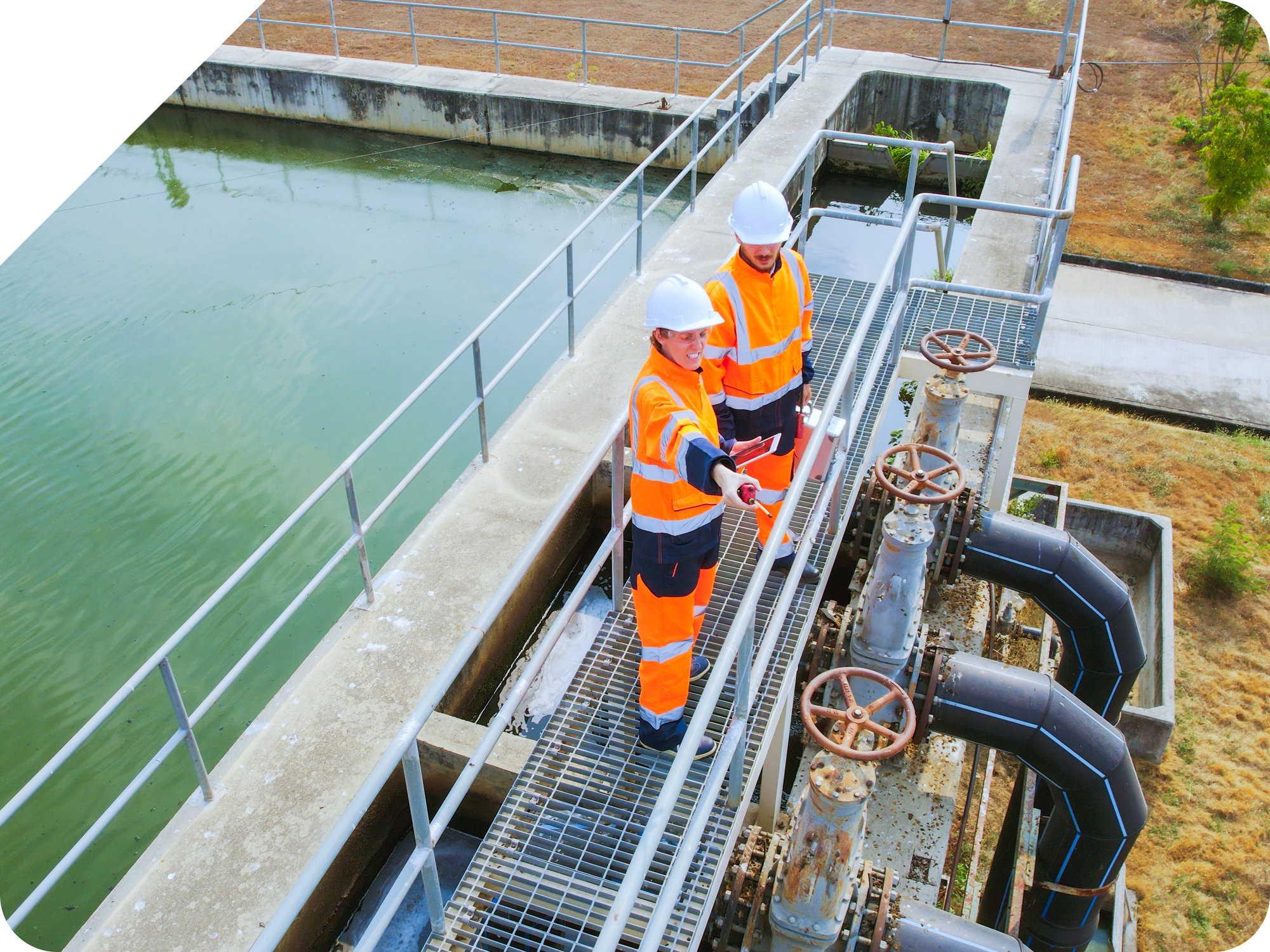


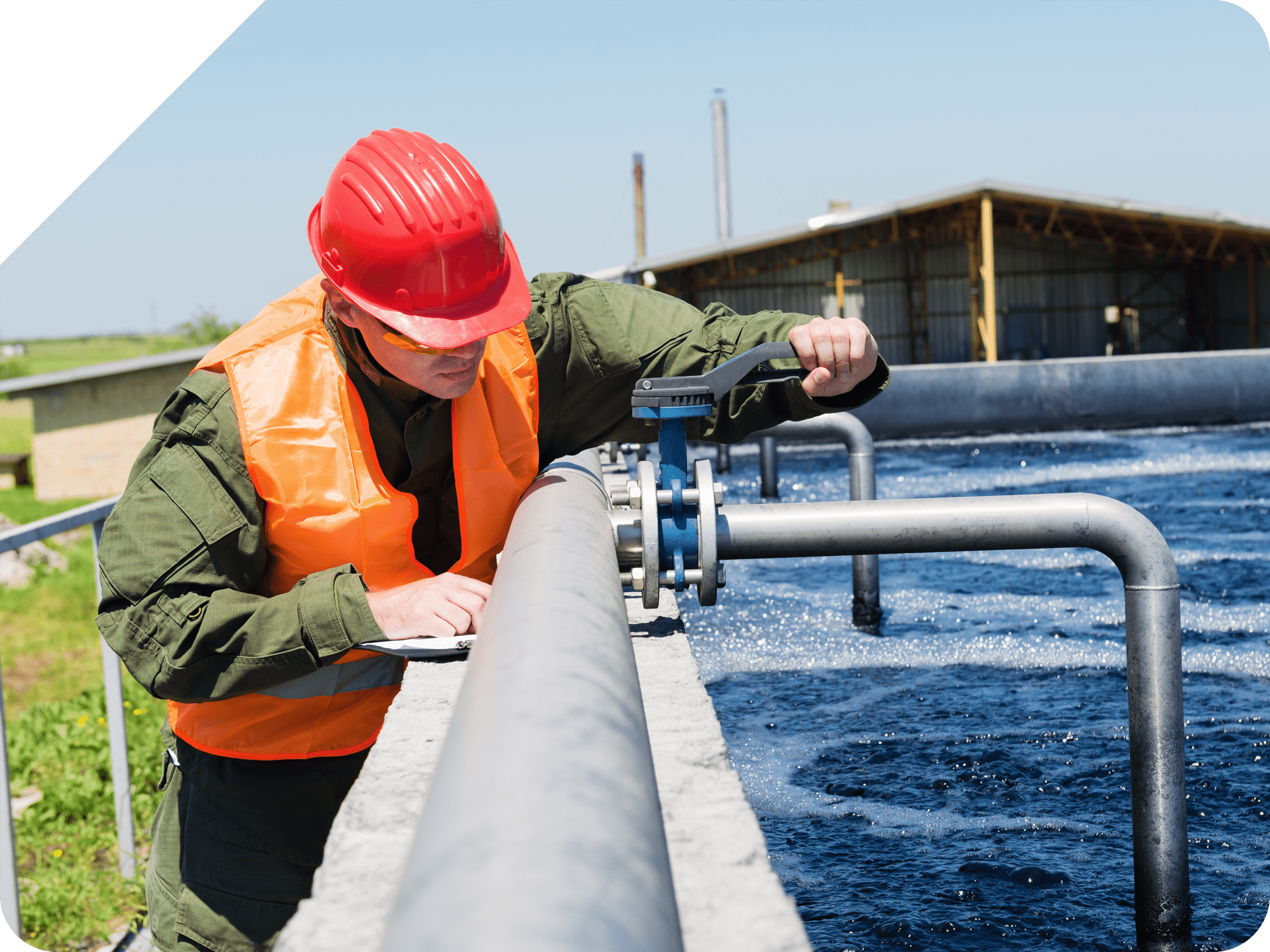
Efficiency optimization provides the framework we use to help water and wastewater treatment plants operate at peak performance. Every facility has its own technical challenges, infrastructure limitations, and regulatory requirements. Our goal is to evaluate each system carefully and identify practical ways to streamline operations while maintaining full environmental compliance. Activated sludge systems are common throughout New Jersey and require constant monitoring to maintain a stable biological environment. Our team tracks critical parameters such as dissolved oxygen, pH, nitrogen, and phosphorus to ensure consistent performance. When conditions become unstable, we determine the most effective corrective approach. Whether that involves chlorination, polymer adjustments, or the introduction of beneficial microorganisms.
Advanced Process Optimization
Our experience includes the management of Sequential Batch Reactors, where all treatment stages occur within a single basin. While these systems offer a smaller footprint, they require specialized oversight to avoid operational challenges. Through microscopic analysis of bacterial cultures, we identify opportunities to improve performance without interrupting daily operations.
For facilities that rely on chemical-physical treatment processes such as breakpoint chlorination or filtration, we focus on equipment reliability and precise chemical dosing. These systems require a different maintenance approach than biological treatment plants, and our team ensures they operate efficiently and consistently. We also oversee ultrafiltration membrane systems that produce high-quality effluent through carefully controlled procedures. By combining technical expertise with hands-on operational experience, we help facilities reduce costs, improve performance, and maintain reliable compliance.
Get Our Wastewater Treatment Services!
Improving Solids Management Efficiency
Solids management is one of the most impactful areas for reducing operational expenses while improving overall plant performance. Our efficiency optimization services place a strong emphasis on evaluating and improving the processes used to thicken, dewater, and transport sludge. Even small improvements in solids concentration can result in significant annual savings for utilities and facility owners.
We evaluate equipment such as sludge thickeners, gravity thickeners, and belt filter presses to ensure they are operating as efficiently as possible. Increasing solids concentration by just one or two percent can dramatically reduce hauling frequency, fuel usage, and disposal costs over the course of a year. These savings quickly add up and provide measurable long-term value for the facility.
Chemical selection also plays an important role in solids management. Our team reviews polymer usage and recommends products that improve performance while reducing overall cost. By optimizing chemical dosing and process control, we help facilities reduce waste generation, improve dewatering results, and lower disposal expenses.
Oversight & Compliance
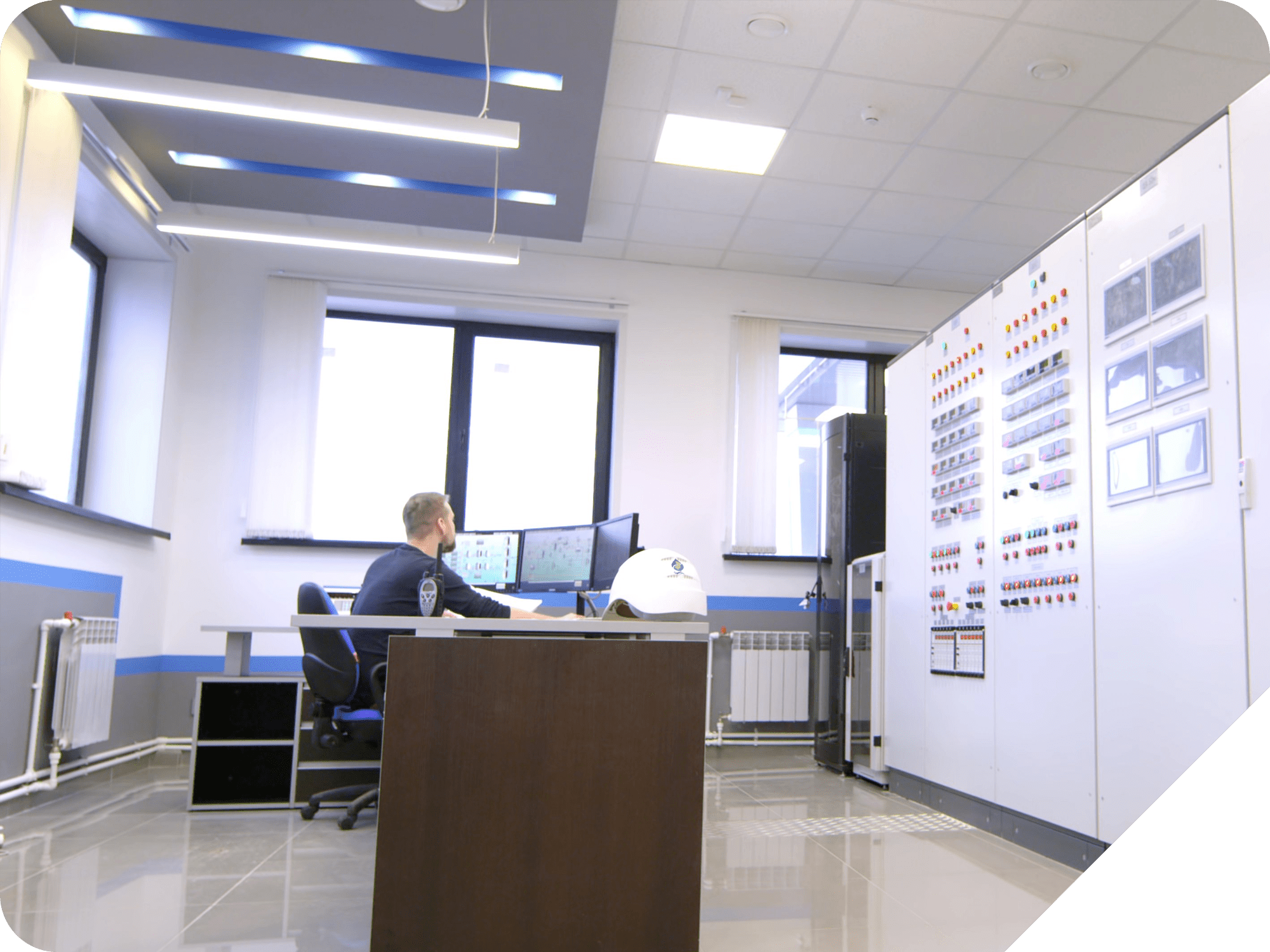
Operational efficiency must always be balanced with regulatory compliance. We conduct detailed plant analyses to identify opportunities for improvement and introduce practical, cost-saving methods that align with permit requirements.
Our reports provide clear alternatives to existing practices and help facilities make informed decisions about operational changes and future investments. Laboratory testing is another critical component of compliance.
We manage sampling schedules, coordinate testing with certified laboratories, and ensure that all required monitoring is completed accurately and on time. With consistent oversight and reliable reporting, facility owners can feel confident that their systems are operating responsibly and meeting regulatory expectations.
If you are looking for more effective ways to manage your facility, our team is ready to help.