

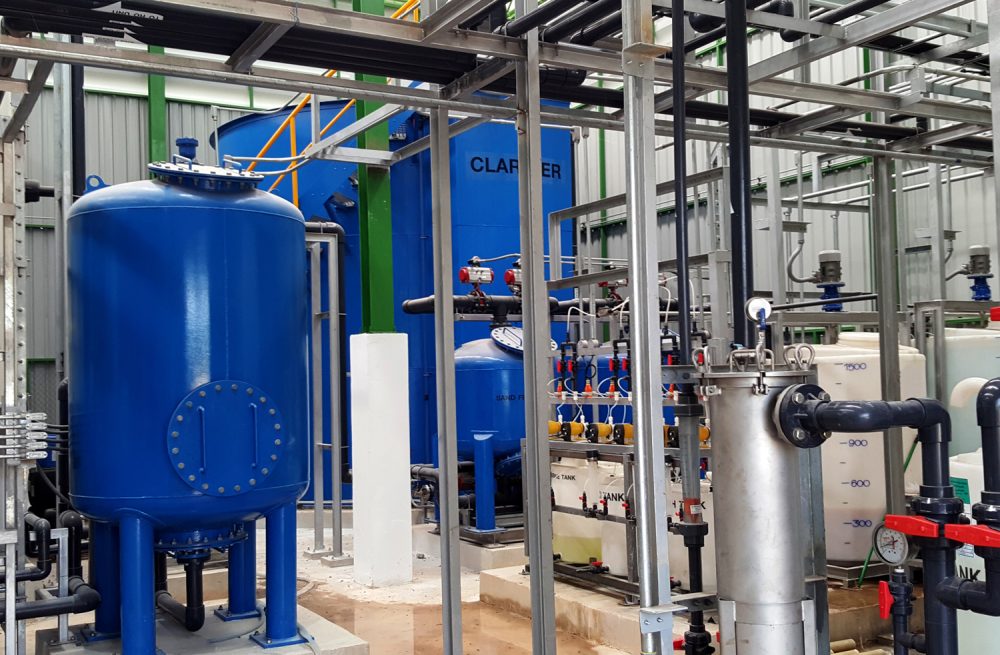
Our team at Jersey Environmental Solutions recently implemented a highly successful odor mitigation strategy in Morristown, NJ, to resolve a mysterious scent issue at a psychiatric hospital’s wastewater treatment plant. Located in northern New Jersey, this facility faced ongoing odor complaints from nearby residents and local business owners. Community concerns surrounding these plant conditions were rapidly increasing, creating severe operational pressure for the facility’s operators and highlighting an urgent need for swift corrective action. As a professional environmental consulting firm specializing in utility operations across New Jersey, we immediately mobilized our expert team of field operators to evaluate the facility, diagnose the root causes, and restore normal plant operations.
Implementing Our Odor Mitigation Strategy in Morristown, NJ
A wastewater treatment facility in northern New Jersey was experiencing ongoing odor complaints from nearby residents and businesses. Community concerns surrounding plant conditions and nuisance odors had increased, creating operational pressure and the need for immediate corrective action.
Our team was brought in to evaluate plant operations, identify contributing causes, and implement targeted odor mitigation measures. After reviewing system conditions, we implemented operational adjustments that included aerating the influent (incoming raw wastewater) entering the treatment process to improve wastewater freshness and reduce septic conditions contributing to odor generation.
To ensure a complete and lasting resolution, our team delivered several specialized services:
- Operational system review: We analyzed the plant’s daily flows to identify system vulnerabilities and operational inefficiencies.
- Process troubleshooting: Our dedicated experts identified biological and chemical bottlenecks within the treatment sequence.
- Strategy execution: We deployed targeted aeration adjustments to eliminate septic odors.
- Monitoring and operational adjustments: We performed testing and balanced critical process variables.
- Ongoing performance oversight: We established a consistent routine of follow-ups to maintain stable operations over time.
Long-Term System Stability and Community Outcomes
By improving oxygen levels within the incoming wastewater stream and optimizing operational conditions, the facility was able to significantly reduce nuisance odor conditions affecting the surrounding area.
Following implementation of the corrective measures, odor complaints were eliminated and plant operations returned to a more stable and manageable condition. The project demonstrated the effectiveness of proactive operational management and rapid-response wastewater process optimization.
If your local utility facility is experiencing operational challenges or odor issues, contact our team of specialists today to discuss how we can help optimize your systems. Follow us on Instagram to keep up with our latest projects & special offerings.


